The WAVE Blog
Field notes from the edge of animal communication
25 deep, honest reads on bioacoustics and AI — how we listen, what the models can (and can’t) do, and where the science is really headed.

Acoustic monitoring and the future of protected areas
A protected area is only as good as our ability to know what's happening inside it. Continuous listening is quietly becoming one of the most powerful tools for managing and defending the world's wild places.
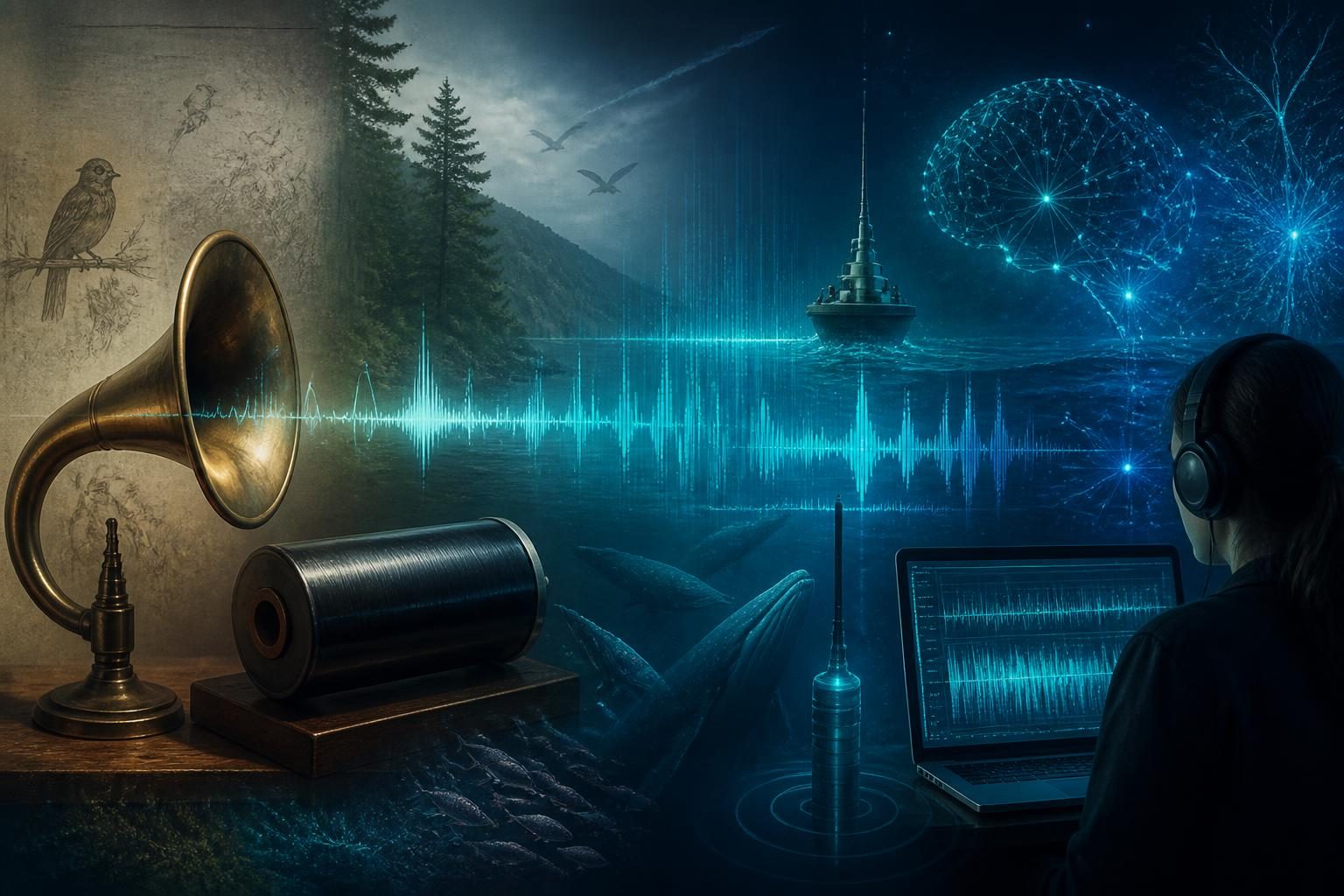
A short history of listening to animals
From wax cylinders to foundation models, the story of how humans learned to record, visualize, and finally analyze animal sound at scale — and why each leap changed what questions we could even ask.
Do animals have names? Signature calls and the puzzle of individual identity
Some dolphins seem to have signature whistles that work a bit like names. It's one of the most tantalizing findings in animal communication — and a perfect case study in how to be excited without overclaiming.
The vanishing chorus: insects and the quiet crisis we can hear
Insects are the backbone of terrestrial soundscapes and the base of countless food webs. As their numbers fall, the world is getting quieter — and acoustic monitoring may be one of our best ways to measure the loss.
The base-rate problem: why rare species fool even good detectors
A detector that's 99% accurate can still be wrong most of the time when the target is rare. This counterintuitive math is one of the most important — and most ignored — ideas in acoustic monitoring.
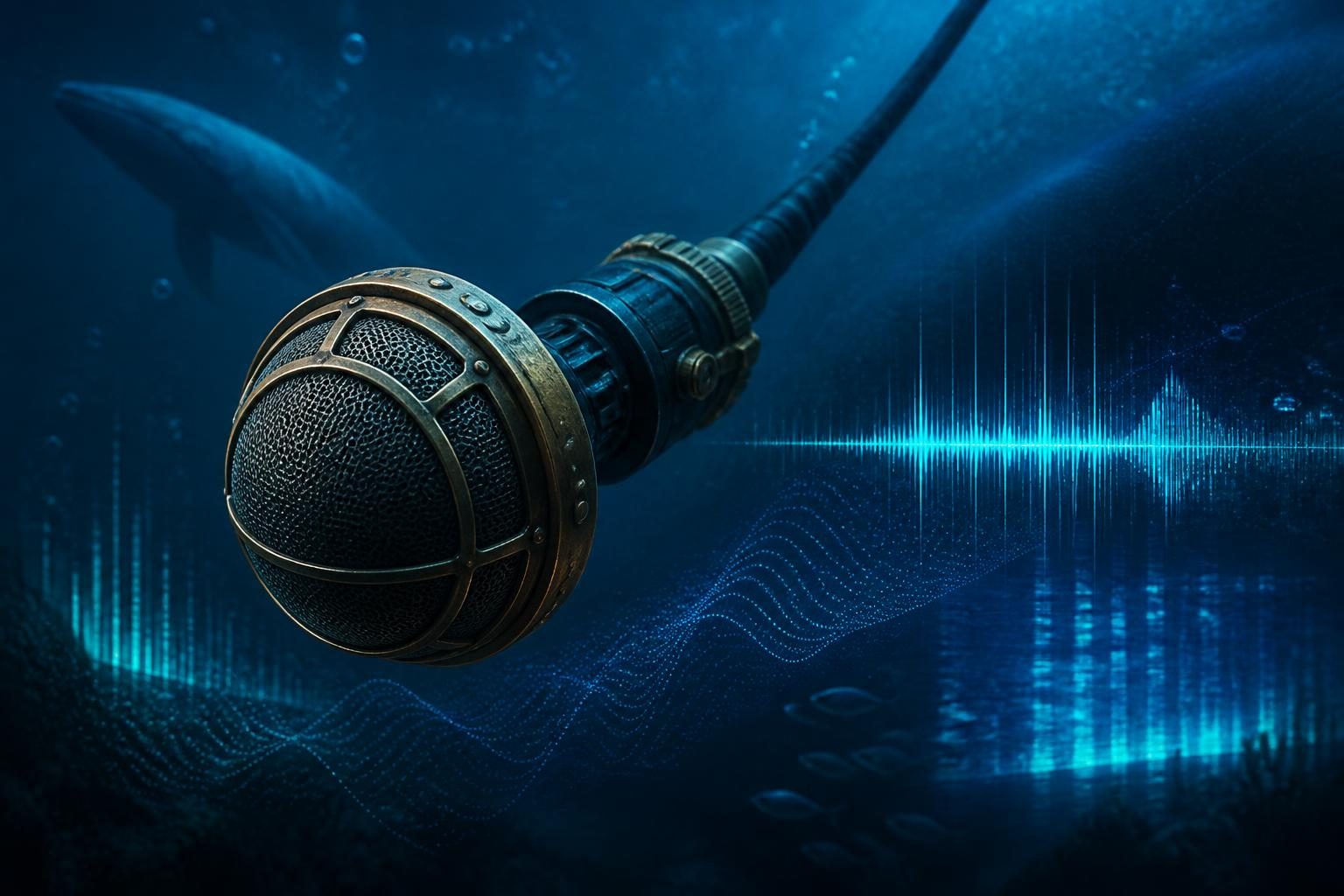
The hydrophone: the humble instrument that opened the ocean
Before you can analyze a whale's voice, something has to hear it underwater. The hydrophone is the unglamorous device that made marine bioacoustics possible — and its quirks shape everything downstream.
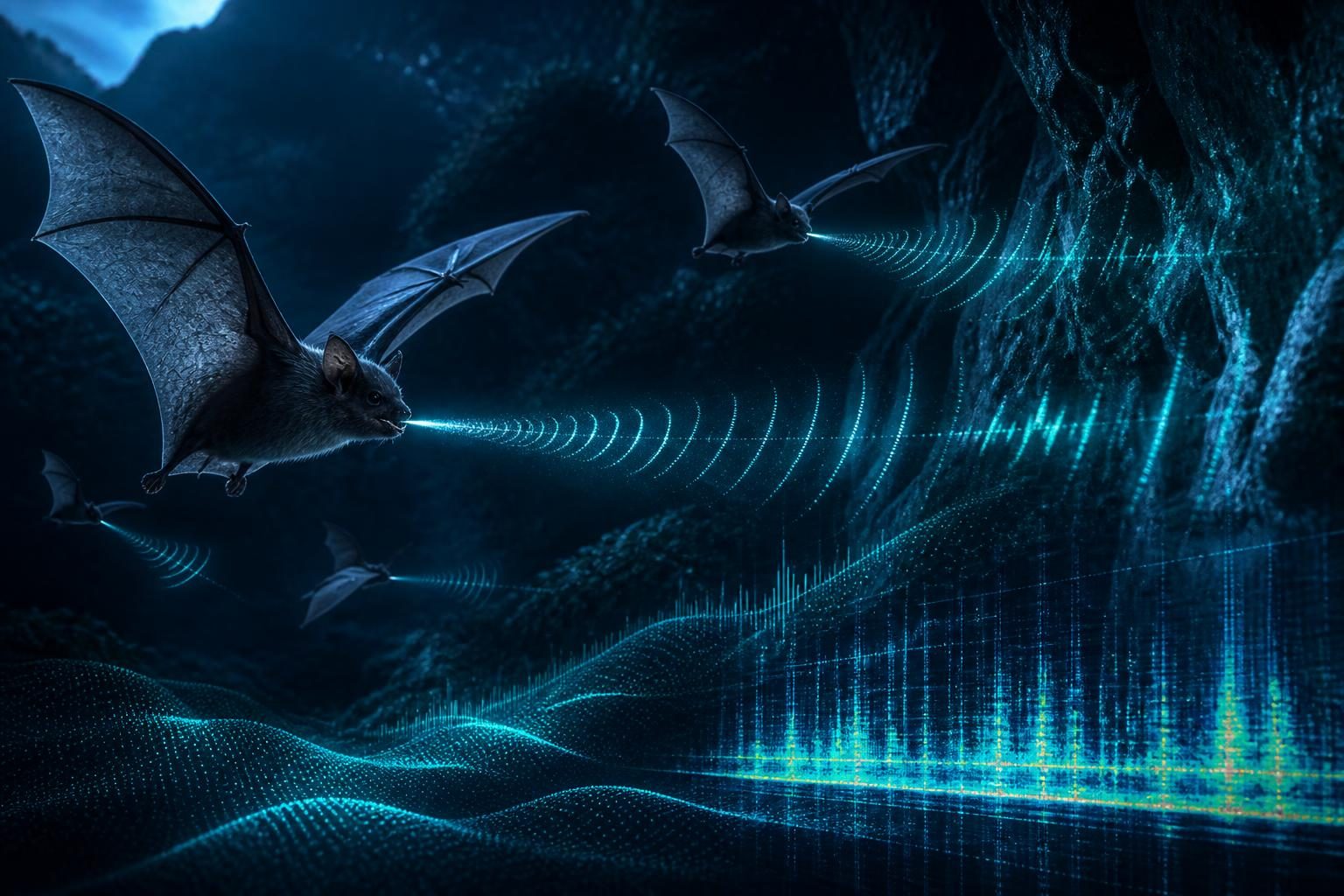
Bats and the ultrasonic frontier: listening above the ceiling of human hearing
If elephants speak below our hearing, bats scream above it. Their ultrasonic world is a masterclass in biological sonar — and a very different challenge for anyone trying to record and classify it.
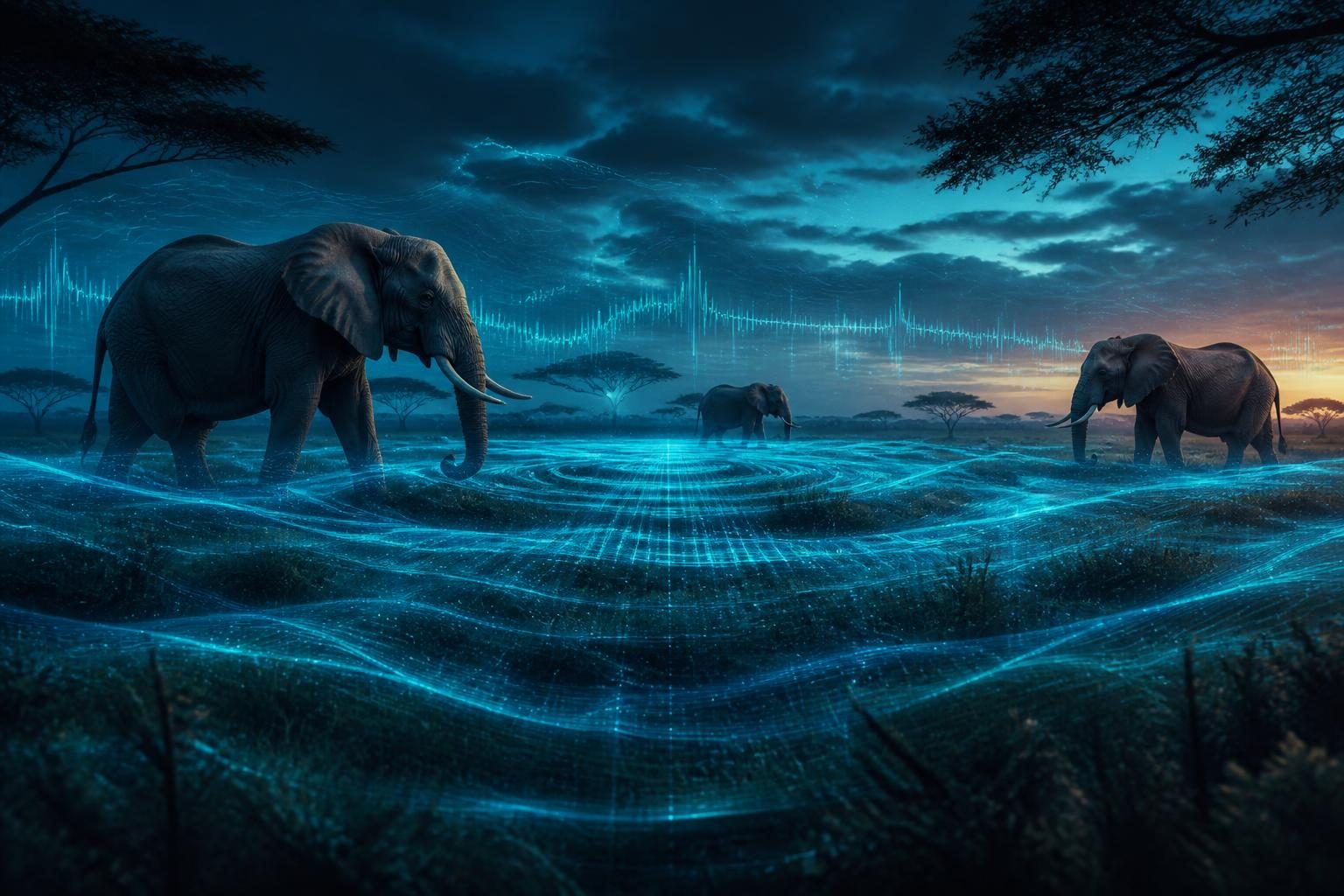
The infrasonic world of elephants: communication below human hearing
Elephants hold conversations in frequencies we can't hear, across distances we can barely imagine. Their infrasonic calls reveal a hidden channel of the natural world — and a hard test for our instruments.

From recording to insight: a fieldworker's end-to-end workflow
A practical walk through how a modern acoustic study actually runs — from planning a deployment to a defensible finding — and where an honest AI toolkit fits at each step.

Soundscape ecology: reading the health of a whole habitat by ear
Stop listening for one species and start listening to the entire chorus. The collective sound of a place turns out to be a remarkably rich indicator of ecosystem health.

The ethics of listening to wild animals
Recording nature seems harmless — you're only listening. But acoustic monitoring raises real questions about disturbance, surveillance, data ownership, and what we owe the animals we study.
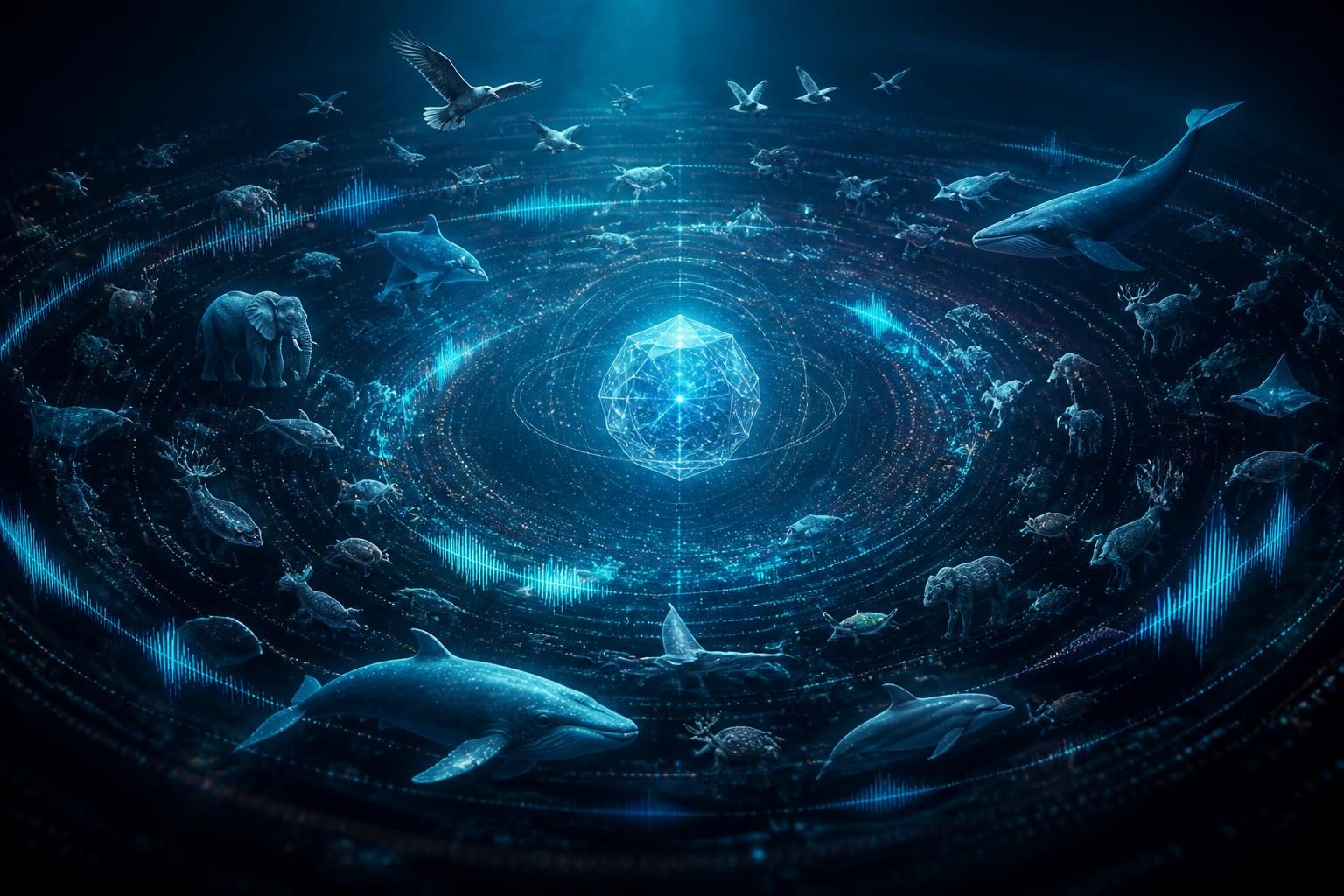
Foundation models for nature: what NatureLM and Perch really promise
The same idea that made ChatGPT possible is arriving in bioacoustics. Here's what a 'foundation model' for animal sound actually is, why it's a genuine leap, and where the hype outruns the science.
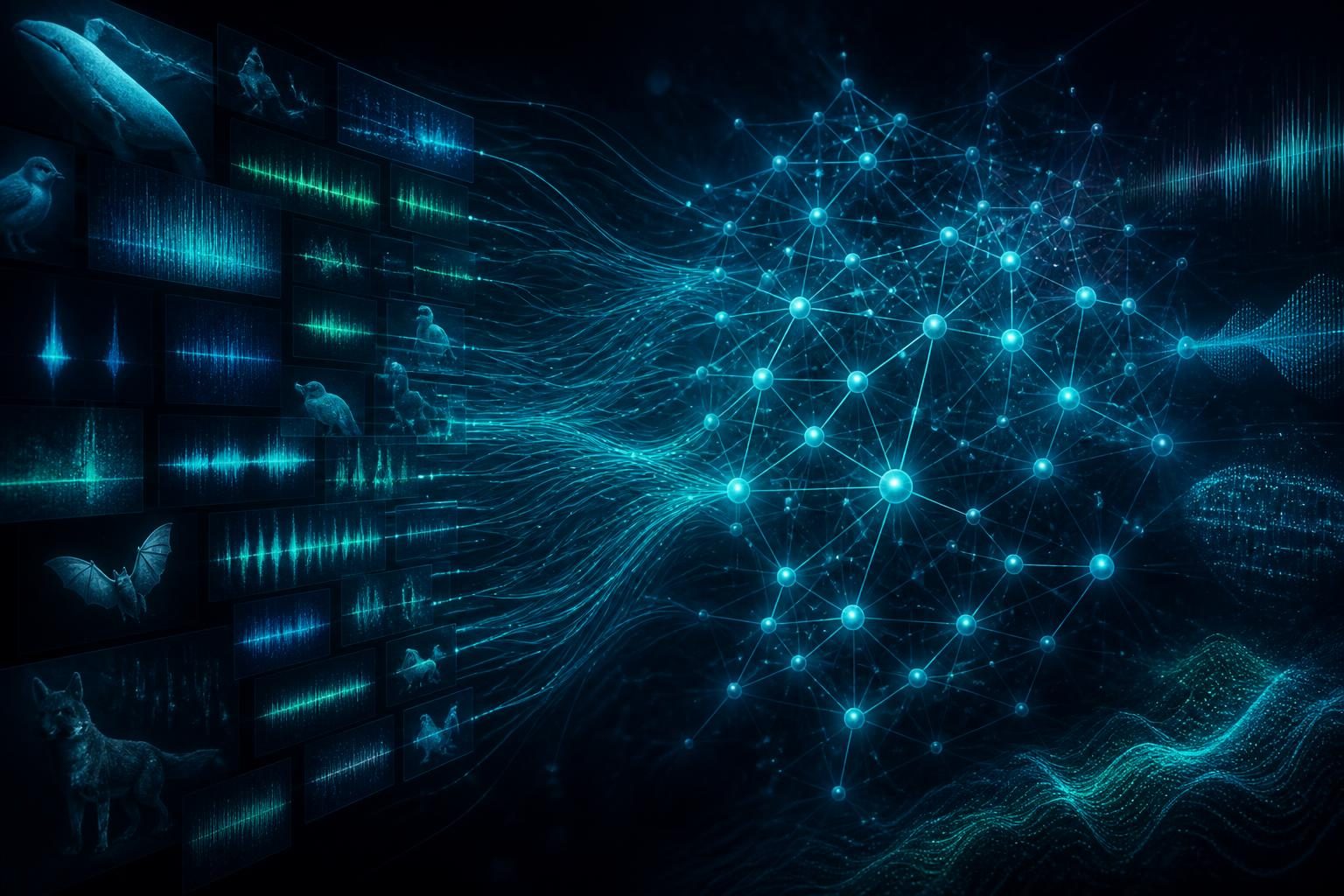
How a species classifier is actually trained
Behind every one-click species prediction is a long, unglamorous pipeline of data, labels, and hard choices. Understanding it tells you exactly how much to trust the answer.
Dialects, culture, and the question of animal tradition
When whales in different oceans sing different songs, and those songs change over time, we're looking at something that behaves a lot like culture. What does that mean — and how do we study it without overclaiming?
The cocktail party problem, underwater
Your brain effortlessly follows one voice in a crowded room. Doing the same for a whale in a noisy ocean is one of the hardest and most important problems in bioacoustics.
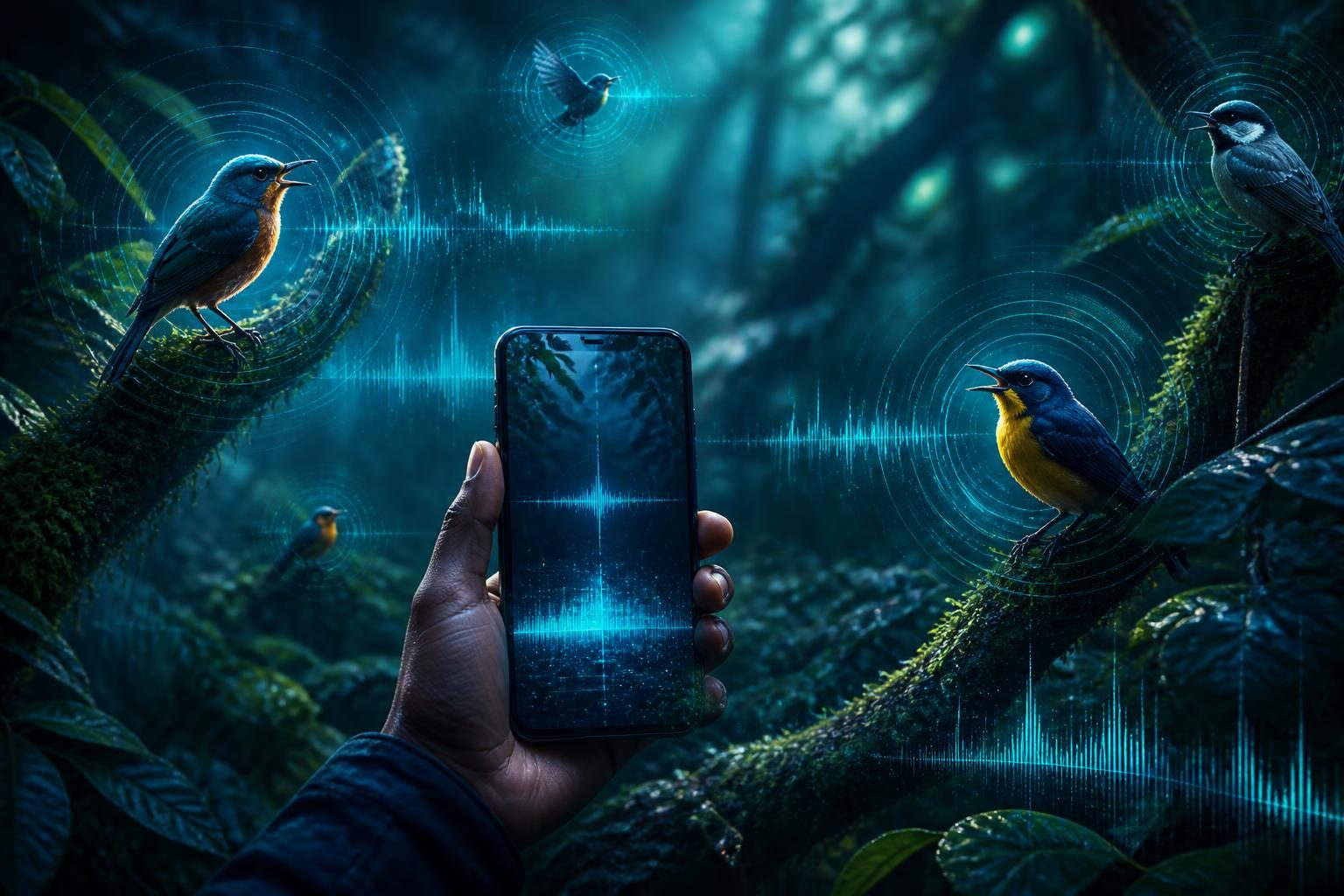
BirdNET and the democratization of bioacoustics
A free model that identifies thousands of bird species from sound turned a specialist craft into something a schoolteacher, a birder, or a park ranger can do. Here's how it happened — and what it means.

Passive acoustic monitoring: the quiet revolution in how we count wildlife
You can't see most animals most of the time. You can hear them. Passive acoustic monitoring turns that fact into one of the most powerful survey tools conservation has ever had.
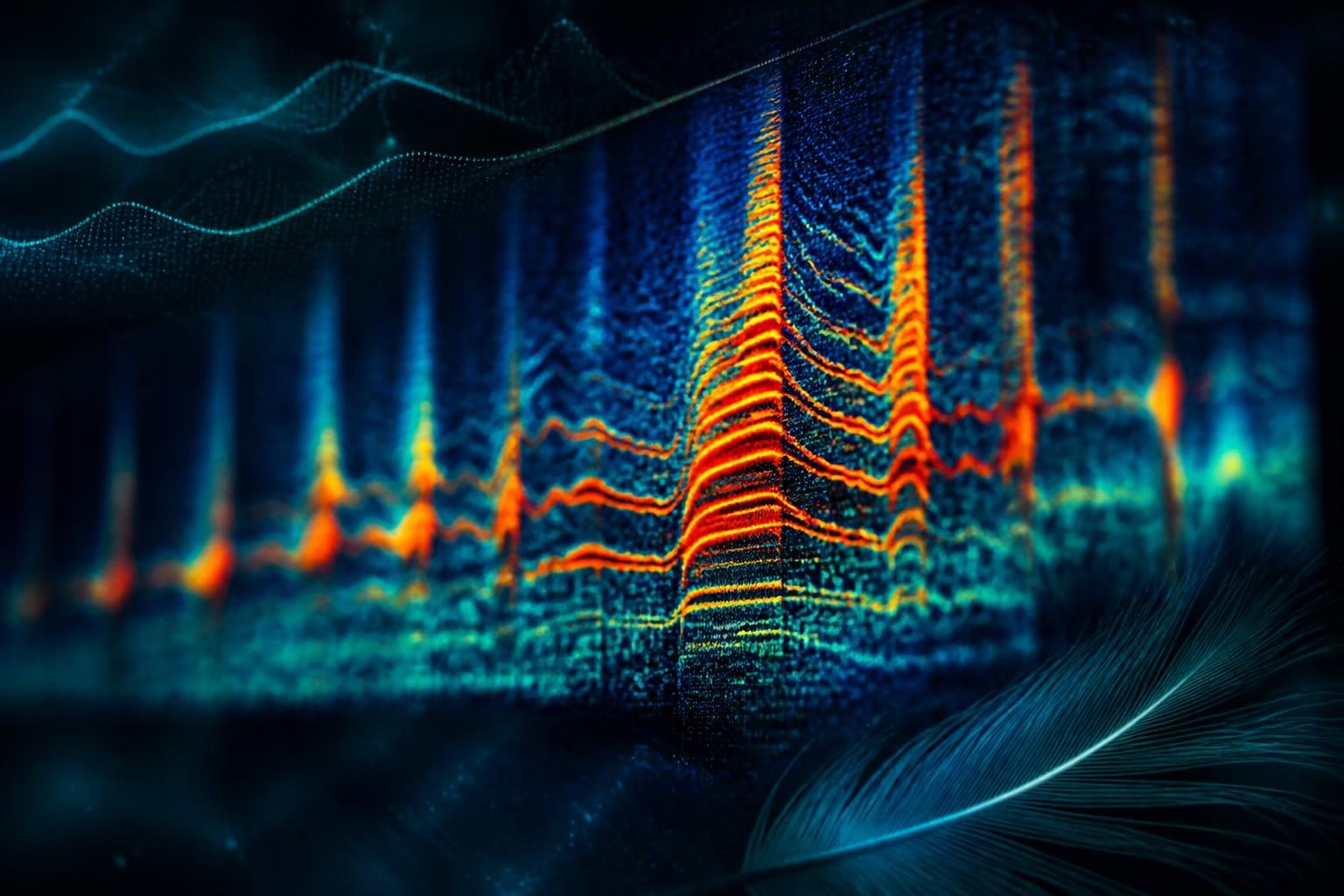
What a spectrogram really shows (and what it hides)
A spectrogram looks like an objective picture of sound. It isn't — it's a set of choices. Understanding those choices is the difference between reading a signal and fooling yourself.

Can we really translate animals? An honest status report
The hype says we're about to chat with dolphins. The science says something more interesting — and more useful. Where the field actually stands.
How WAVE decodes animal communication
From a hydrophone in the deep ocean to a structured, searchable vocal repertoire — a plain-language tour of the Technical Triad behind WAVE.

Sound as shape: the geometry of animal communication
Why the most useful way to think about a whale song or bird call isn't as audio at all — but as a point in high-dimensional space.
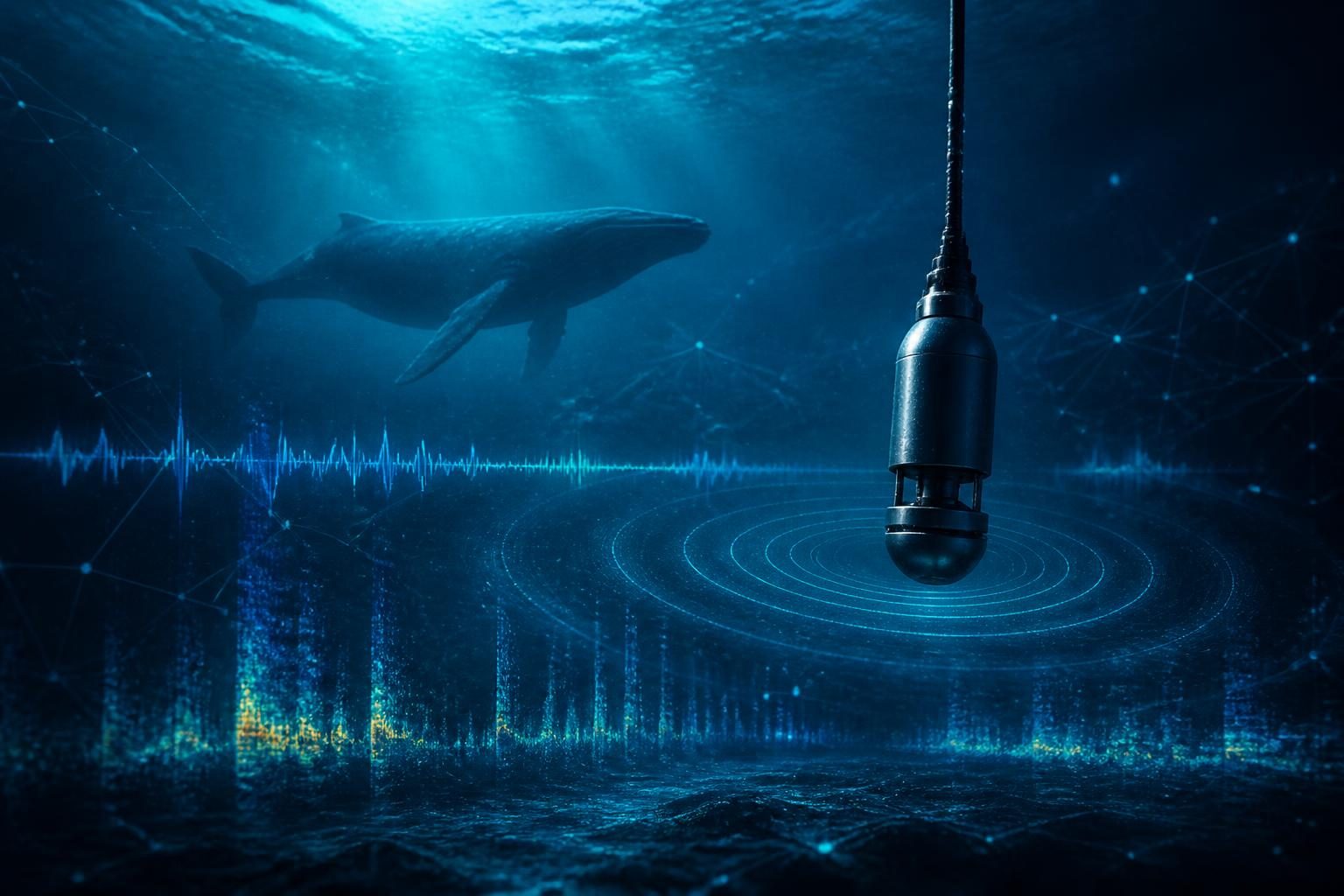
Listening to the ocean: bioacoustics underwater
Marine soundscapes are among the hardest and most rewarding places to listen. How WAVE separates signal from an ocean of noise.

The data landscape of animal translation
No single dataset decodes a species. A tour of the validated projects and archives WAVE connects — and why breadth beats any one source.
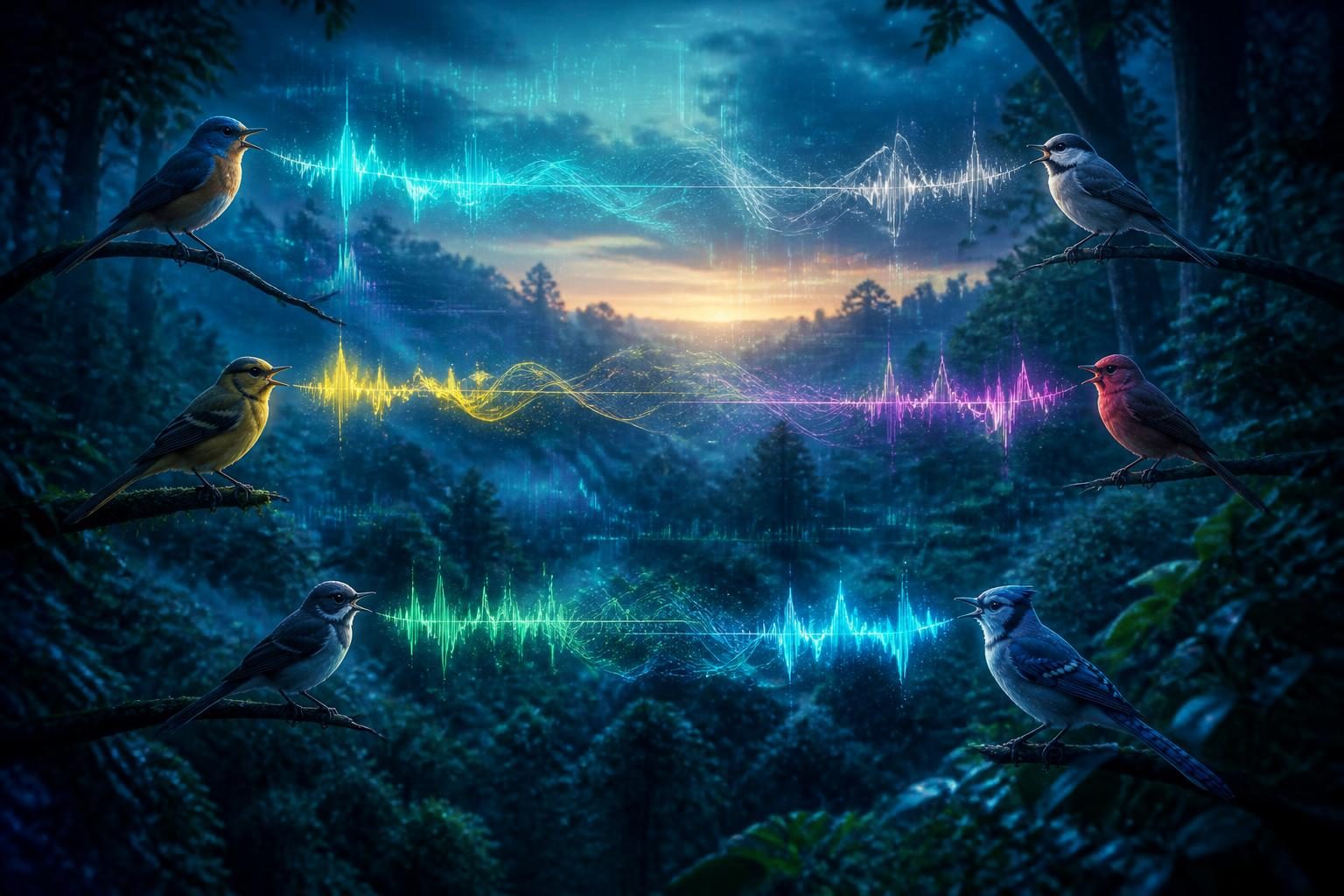
Dialects in the wild: when animals of the same species don't sound alike
Populations of the same species can develop distinct vocal dialects. Detecting them is one of bioacoustics' most practical superpowers.
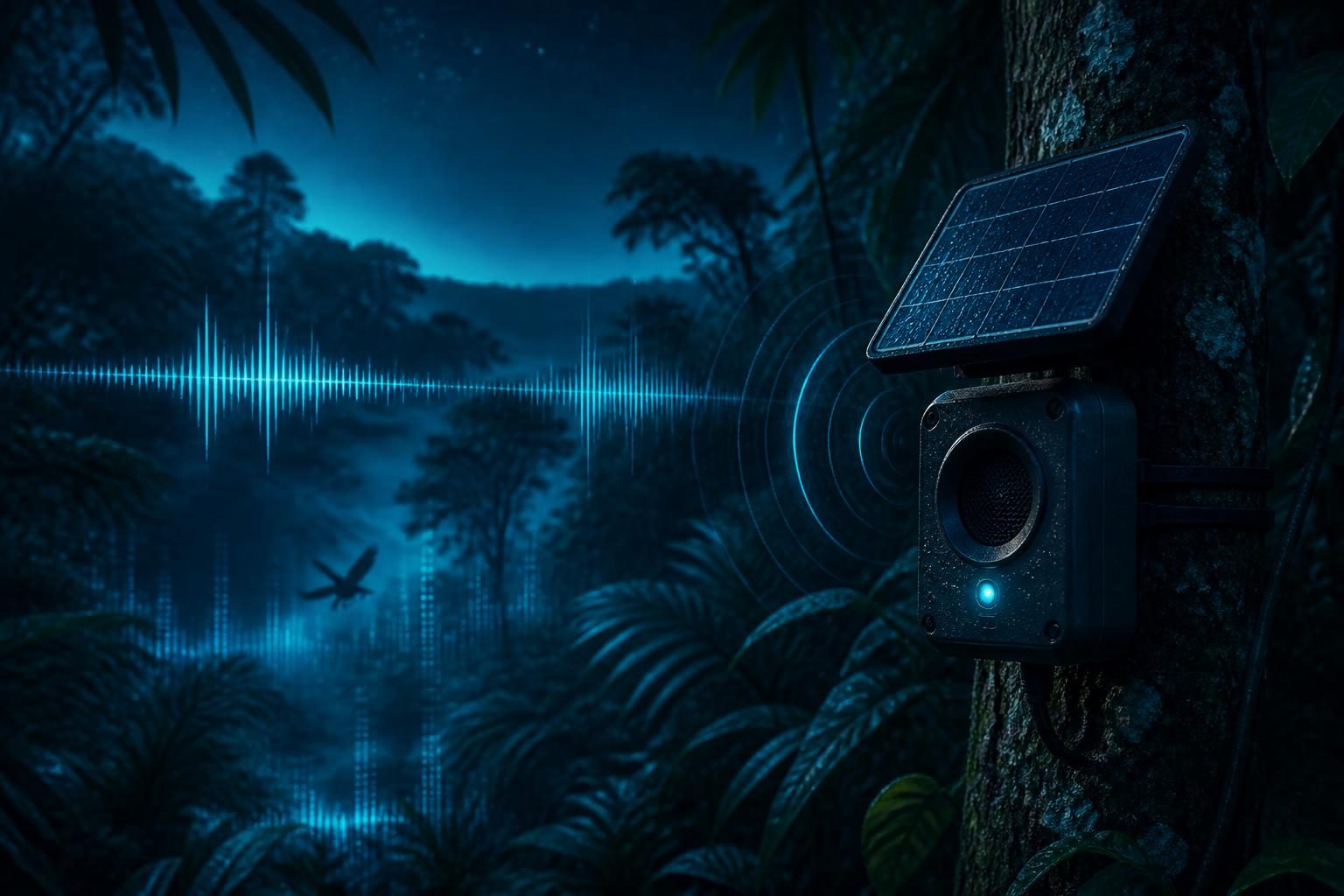
Edge AI in the field: listening where the cloud can't reach
The most important bioacoustic computing doesn't happen in a data center. It happens on a sensor in the middle of nowhere.